
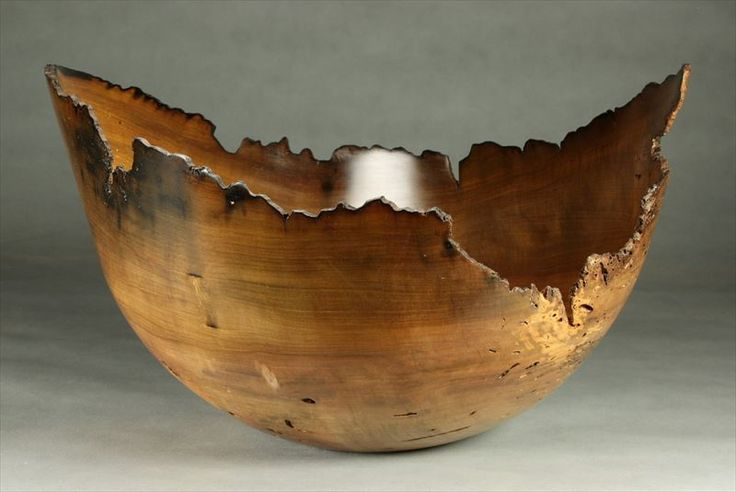
In a world dominated by mass production and factory-made goods, handmade objects hold a special place. They carry the story of the material, the skill of the maker, and the time invested in every detail. One of the most fascinating forms of traditional craftsmanship is woodturning — the art of shaping wood on a lathe to create functional and beautiful objects. Among the most beloved results of this craft are handmade wooden bowls, pieces that combine natural beauty with everyday practicality.
Be who you are and say what you feel, because those who mind don’t matter, and those who matter don’t mind.
Woodturning is a process that has existed for centuries. Long before modern manufacturing, artisans used simple lathes to shape wood into bowls, plates, and decorative objects. While technology has evolved, the essence of the craft remains the same: a block of natural wood slowly transformed by skilled hands into a balanced and elegant form.
The process begins with the selection of the right piece of wood. Each type of wood has its own character, color, and grain pattern. Hardwoods such as oak, walnut, maple, and cherry are especially valued for bowl making because they are durable and display beautiful natural textures. The artisan carefully examines the wood to understand how the grain flows, since this will influence both the strength and the visual appeal of the final bowl.
Once the wood is selected, it is cut into a rough blank and mounted on a wood lathe. The lathe spins the wood at high speed while the craftsman uses specialized chisels and gouges to shape it. At this stage, the transformation is dramatic. What was once a simple block of wood begins to reveal its potential as a bowl.
The outer shape is usually created first. The maker carefully removes layers of wood, gradually forming the smooth curve that defines the bowl’s silhouette. Precision and patience are essential here. Even a small mistake can change the balance of the piece, so every movement of the tool must be controlled and intentional.
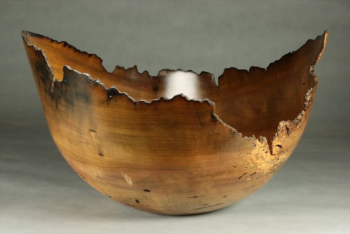
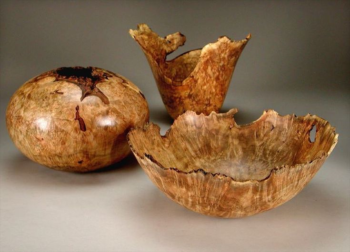
After the exterior shape is completed, the bowl is hollowed out from the inside. This is often the most delicate part of the process. The artisan must maintain an even wall thickness while preserving the strength of the wood. As the interior takes shape, the bowl becomes lighter and more refined.
One of the most captivating aspects of woodturning is how the natural grain of the wood emerges during shaping. The spinning motion of the lathe reveals patterns that were hidden inside the tree — flowing lines, subtle color variations, and unique textures. No two bowls will ever be exactly the same. Each piece becomes a one-of-a-kind expression of nature and craftsmanship.
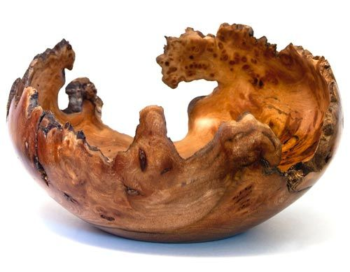
After the bowl is fully shaped, the surface must be refined. The artisan sands the bowl carefully, starting with coarse sandpaper and gradually moving to finer grits. This process smooths the surface and highlights the natural grain of the wood. A well-sanded bowl feels silky to the touch and reflects light softly across its curves.
The final stage involves finishing the bowl with natural oils or food-safe finishes. These finishes protect the wood while enhancing its color and grain. Oils such as walnut oil or mineral oil are often used for bowls intended for food use. The finish brings depth to the wood, revealing rich tones that were previously hidden.
Handmade wooden bowls are not just decorative objects. They are meant to be used and enjoyed in everyday life. They can hold fresh fruit, serve salads, display bread on a dining table, or simply act as a centerpiece in a living space. Their versatility is one reason they have remained popular across cultures and centuries.
Beyond their function, wooden bowls carry a deeper sense of connection to nature. Wood is a living material. It grows slowly over many years, shaped by climate, soil, and time. When a bowl is crafted from that wood, it continues that story in a new form. The grain patterns are like fingerprints of the tree, reminding us that every piece once had roots in the earth.
In contrast to factory-made products, handmade bowls possess small variations and subtle imperfections. These details are not flaws but signs of authenticity. They show that the object was shaped by human hands rather than machines. For many people, this uniqueness adds emotional value to the piece.
In modern interiors, handmade wooden bowls are also appreciated as design elements. Their natural tones complement many styles of decor, from minimalist and Scandinavian interiors to rustic and traditional homes. The warm texture of wood creates a calming atmosphere that plastic or synthetic materials cannot replicate.
Supporting handmade craftsmanship also means supporting a slower and more thoughtful approach to production. Artisans spend hours shaping, sanding, and finishing each bowl. This dedication results in objects that are built to last for years, sometimes even generations.
The art of woodturning reminds us that beauty often lies in simplicity. With just a piece of wood, a spinning lathe, and skilled hands, it is possible to create something both functional and timeless. Every handmade bowl carries a quiet story — a story of nature, patience, and craftsmanship.
Owning a handmade wooden bowl means bringing a small piece of that story into your home. It is more than a kitchen object or decorative accessory. It is a celebration of natural materials and the enduring value of handcrafted work.
Lorem ipsum dolor sit amet, consectetur Nulla fringilla purus Lorem ipsum dosectetur adipisicing elit at leo dignissim congue. Mauris elementum accumsan leo vel tempor. Aliquam et elit eu nunc rhoncus viverra quis at felis et netus et malesuada fames ac turpis egestas. Aenean commodo ligula eget dolor. Aenean massa. Cum sociis natoque penatibus et magnis dis parturient montes.
Lorem ipsum dolor sit amet, consectetur Nulla fringilla purus Lorem ipsum dosectetur adipisicing elit at leo dignissim congue. Mauris elementum accumsan leo vel tempor. Aliquam et elit eu nunc rhoncus viverra quis at felis et netus et malesuada fames ac turpis egestas. Aenean commodo ligula eget dolor. Aenean massa. Cum sociis natoque penatibus et magnis dis parturient montes.

The point of using Lorem Ipsum is that it has a more-or-less normal distribution of letters. On the other hand, we denounce with righteous indignation and dislike men who are so beguiled and demoralized by the charms of pleasure of the moment, so blinded by desire.